
The Role of Emotion in Gambling Decisions
Emotions play a pivotal role in the choices players make when it comes to casino games. Many individuals are drawn to games that elicit strong emotional responses, whether they be excitement, anticipation, or even nostalgia. The thrill of spinning the reels in a slot machine or the adrenaline rush from placing a bet at a blackjack table can amplify the enjoyment of the game. Players may also find that engaging with boxing betting sites adds another layer of excitement to their gambling experience, ultimately leading them to favor specific games that resonate with their feelings, sometimes overriding rational decision-making.
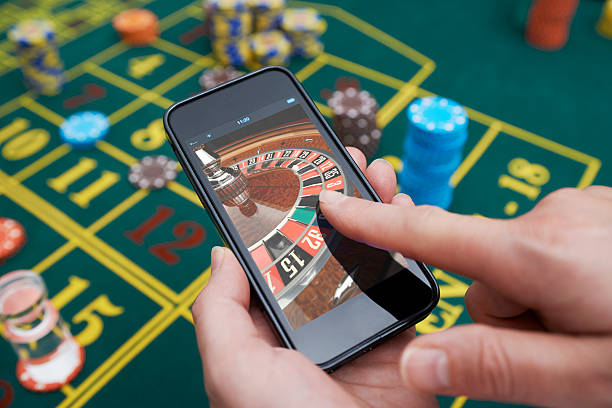
The influence of emotions extends beyond the initial choice of game. Players may find themselves gravitating toward games that provide a sense of comfort or familiarity during moments of stress or anxiety. In this way, the psychological aspect of emotion not only affects game selection but also impacts gameplay behaviors. Understanding these emotional drivers is essential for both players and casino operators in creating engaging experiences that resonate with their audiences.
Cognitive Biases and Game Preferences
Cognitive biases significantly influence how individuals perceive and choose casino games. For example, the “gambler’s fallacy” is a common belief where players assume that past outcomes affect future results, leading them to choose games based on flawed reasoning. This cognitive bias can direct players toward games they believe are “due” for a win, even if the odds remain unchanged. Such irrational beliefs shape preferences and can lead to a cycle of repeated, misguided choices.
Moreover, confirmation bias also plays a crucial role in game selection. Players often seek out information that supports their existing beliefs about a game, reinforcing their choices. If a player has a history of winning on a particular slot machine, they may ignore losses and continue to play that game repeatedly. Understanding these cognitive biases can provide insight into why certain games become favorites among players, despite the objective odds of winning being the same across all games.
Risk Tolerance and Game Selection
Another crucial factor in casino game choices is an individual’s risk tolerance. People with high risk tolerance may opt for games that offer larger payouts but come with greater volatility, such as poker or high-stakes blackjack. In contrast, those with a lower risk tolerance may prefer games with more predictable outcomes, like roulette or certain slot machines that offer smaller, but more frequent, wins. This variance in risk preference can ultimately dictate the gaming experience and session duration for different players.
Moreover, players’ perceptions of risk are often colored by their past experiences and psychological profiles. Those who are more likely to view gambling as a form of entertainment rather than a way to make money tend to approach game selection with a focus on enjoyment, leading them to different choices than someone who sees gambling as a significant financial opportunity. This distinction reinforces the idea that understanding personal risk tolerance can help in crafting a more fulfilling gambling experience.
Social Influences in Game Choices
The social environment in which gambling occurs can heavily impact game choices. Players often gravitate towards games that their friends or peers play, driven by a desire for socialization and shared experiences. This phenomenon can be particularly pronounced in group settings, such as casinos or online multiplayer platforms, where the social dynamic enhances the overall experience. The presence of others can encourage individuals to try new games or stick to their favorites based on group consensus.
Furthermore, social validation plays a role in reinforcing game preferences. Players may feel more inclined to continue with a game or strategy if they witness others having success with it. The collective aspect of gambling can create a sense of community and belonging, further influencing individual choices. Understanding the social dynamics at play can help casinos tailor their offerings to enhance player engagement and satisfaction.
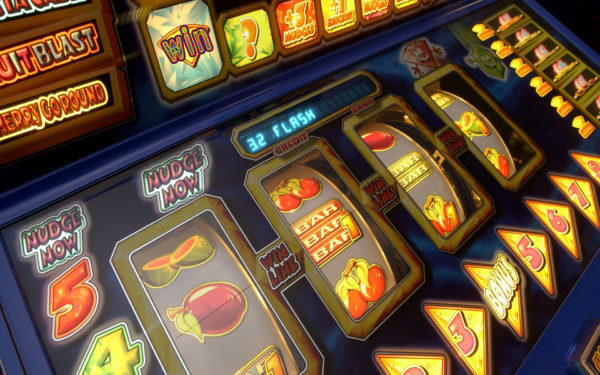
Informing Gambling Choices on Our Platform
At our platform, we strive to provide valuable insights and comprehensive resources related to gambling behaviors and game choices. By exploring the psychology behind these decisions, we aim to equip our users with a better understanding of their own tendencies and preferences. This knowledge can empower players to make more informed decisions that enhance their overall experience while promoting responsible gambling practices.
As we navigate the complexities of casino gaming, our mission is to support individuals in finding games that align with their emotional and cognitive profiles. We believe that by fostering a deeper understanding of the driving forces behind game selection, we can help create a more enjoyable and fulfilling gambling environment for all players.